NOVA MCGILL
Contributor
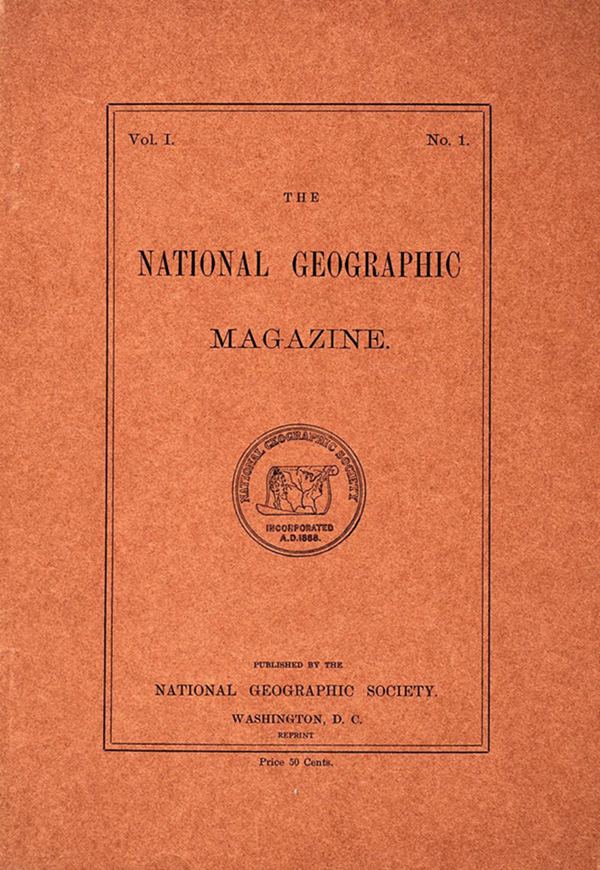
National Geographic began in Washington, D.C. on January 13, 1888 as an endeavor for serious scholarship brought together by 33 scientists, explorers, and thinkers, all of whom were passionate about geography and learning about the planet. The objectives were not only limited to entertaining people but also included broadening geographical knowledge and disseminating it. The first National Geographic publication was quite serious and contained a great deal of technical information, targeting academic communities rather than the general public.
The organization was officially named the National Geographic Society, and towards the end of that year, it published the first issue of its magazine, National Geographic. The initial look of National Geographic magazine differed completely from what it is today. It consisted of scientific articles that were not illustrated much. This, however, was not to always be the case, and it wasn’t until the early 1900s during the editorship of Gilbert Hovey Grosvenor that geography was made more accessible to the wider general public. It was under Grosvenor that photography, rather than writing, was naturally made the dominant feature of the magazine, and it is around this that photos still center National Geographic today.
Emerging from humble beginnings as a scientific society and eventually growing into a global magazine, National Geographic is one of the world’s most celebrated centers of learning, recognized internationally for its contributions to exploration, photography, and the promotion of conservation and storytelling that brings the world closer to its audience.
Photo from Medium.com